15

December

Hockey 2016 – By The Numbers

Posted by Greg Carter

2016 was another great year on the ice. Running hockey camps in 10 states again reminded us just how awesome this sport really is in the U.S.
Here are our some of the stats – and a black bear – behind the great states that we enjoy working in each summer!

We started out our hockey camp in Alaska with a black bear greeting us at our cabin. Hockey is alive and well in the Last Frontier. There are nearly 9,000 players in Alaska and the state currently has 16 men’s Division 1 players and 8 women playing Division I hockey.

Connecticut is one of our favorite spots with more than 13,000 players registered with USA Hockey. The also have a nice roster of Division I players including 30 on the men’s side and 15 on women’s teams.

Illinois is a hotbed of “Blackhawk’s hockey” with 84 Division I men’s players (5th most) and 35 women (3rd most). Illinois also has more than 31,000 total hockey players and is always a fun place to train aspiring young athletes!

New Hampshire hockey families are passionate about the game. With around 6,000 players in the state this season, they have the same number (13) of both men and women playing Division I.

New Jersey loves their Devils and has just under 20,000 players in the state. They also have 45 men’s Division I players this season and 4 on the women’s side.

New York is always among the leaders in the U.S. registering just under 50,000 players! We love our camps in the state that has 94 men’s Division 1 players this season and 33 women.

There are just over 30,000 players in the great state of Pennsylvania, all admiring the recent Flyers winning streak, or wanting to grow up and be like the incredible Sid Crosby. 47 men’s players and 9 women Division I players hail from Pennsylvania.

Vermont registers just under 5,000 players and has 3 men and 10 women playing Division I hockey this year.

Virginia has just over 10,000 registered players and 5 men and 2 women playing Division I hockey.

Finally, we close with our home state of Massachusetts, where we love the Bruins; and the Red Sox! Massachusetts (113) ranks third only to Michigan (145) and Minnesota (203) in producing Division I men’s hockey players. There are 72 women from Mass. playing Division I hockey this season, second only to Minnesota (147). As our friends at Mass. Hockey would say, we are #MassProud!

We hope you enjoyed your year of hockey as much as we did.

From our team to yours, have a very happy holiday season and we look forward to seeing you on the ice in 2017!

13

November

What’s Your Hockey Emoji?

Posted by Greg Carter

I received a text the other day that got me thinking that if hockey players had to choose an emoji to describe themselves and their best hockey skills, what emoji it be?

There are literally hundreds of emoji’s to choose from when sending emails and texts, all of which make communication obvious, quick and simple. Just the other day I sent a text asking if someone was ready for hockey practice and I got back a thumbs up, hand clap and a mail box, which I later learned was meant to say ‘yes, I’m super excited to bring the mail’. All this got me thinking, if you had to pick, what would be your hockey emoji? Here are a few of our favorites:

eggThe Ham & Egger: This is for the every day player that isn’t necessarily the standout on the team, but every practice and game is consistently good and you just know what to expect from them. Every team has and needs players who may not have the top end talent and skill, but they have a drive and desire to win the battles in the corner and the races to the puck. Will over skill.

fist-bumpThe Pick Me Up Fist Bump: A pick me up player is important to the team. The fist bump is for the player that is always a good teammate and not only loves to celebrate the big moments with a fist bump, but to also use it in the difficult times to say ‘I got your back’.

moviecamThe Highlight Reel Movie Camera: This is for the players who have the ability to make moves on the ice that other players try to emulate. They are silky smooth with the puck, can stickhandle through a crowd and can deke goalies to score highlight reel goals.

tongueThe Exhausted Dog Tongue: This describes complete exhaustion, think of your dog after throwing the ball with him for a half hour. Dog tired! When we run conditioning drills at our hockey camps it’s always fun to see the top players working the hardest. If your hockey emoji is both the highlight reel and the dog tongue, you should be proud of yourself!

violinThe “Whine”, Cheese and Violin:  This describes the player who constantly whines about what position they are playing, not getting the puck enough or which line they are on. The violin emoji is often accompanied by the goblet and piece of cheese emoji’s.
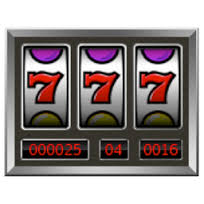
gamblerThe Riverboat Gambler. This is the player with talent and the confidence that the chips are stacked in their favor. A dangerous combination that can win championships, but also a risk factor that puts gray hair on coaches. The Riverboat Gambler is willing to risk it all for the big play, and win they score, they win big. But there is always the chance of losing it all with their mid-ice dangle with no safety valve.
100The All-In, All The Time 100: This is for the player that gives 100% in everything they do. They are a good teammate in the locker room, have a 100% positive attitude, are always working their hardest and love the game 100% of the time!
Although emoji’s aren’t yet showing up in scouting reports or player/coach meetings, they are definitely a fun and entertaining way to communicate. So, what is the best emoji to describe you has a hockey player?

This article was written by the Greg Carter Hockey School pro staff. We have hockey schools in Massachusetts and throughout the United States. Please check out our hockey camp page for dates & locations for our 2017 summer hockey camps.

28

October


With Election Day just around the corner there is plenty of consideration – and consternation – among voters. Leading up to this election candidates on both a local and national level have displayed their character and aptitude through both action and words. At this point all that remains is the final decision of voters on who is best positioned to be a leader.

The definition of a leader is “the power or ability to lead other people”. Characteristics of a leader are similar, whether in sport, business or politics. A leader is someone who inspires and motivates. They are humble, intuitive, dedicated and solution oriented.

When hockey teams vote on who deserves the honor of wearing the “C” on their sweater, teammates and coaches make their decision based on many of the same considerations voters use to elect politicians, namely, the ability to lead. This should not be a popularity contest or an honor simply given to the best player on the team.

So what does it really mean to be a team captain? A captain and leader:

* Is respectful of teammates as well as the game of hockey. 

* Has a deep desire to win, to work hard and to inspire others to work just as hard.

* Is honest and trustworthy.

* Sets good examples in the good times, and well as during the challenging moments of the season.  

During this election season we have seen plenty of examples of what defines leaders and captains, as well as unfortunate situations that do not define leadership. For youth hockey players and captains, it’s important to remember that captaincy is a special honor, and one to be taken seriously on behalf of both teammates and coaches who look to their captain for leadership. Remember that the role of the captain and leader also extends beyond the ice, into the locker room and into daily life.

The following is one of our favorite quotes regarding leadership: “The function of leadership is to produce more leaders, not more followers.”

We hope you are have a great start to the season and that you elect a great captain – and leader – for your team!

When Auston Matthews scored a hat trick in his first NHL game, he became only the fifth player in NHL history to net 3 goals in a career debut. He also became the first Maple Leaf to accomplish this, which is pretty incredible for a team with the history of this original six team. Later in the game when Matthews proceeded to find the back of the net for the fourth time, you knew this would be a night that would have the hockey world talking.

It was little secret that Matthews would be chosen first in the 2016 NHL Draft, but as obvious as the choice seemed to be, the Matthews hype has been taken to an entirely new level after his opening night performance. Suddenly, everyone wants to know everything about this silky smooth forward from Arizona.

So what can youth hockey players learn from Matthews’ map to the NHL?

Skill Development. From an early age, Matthews focused on developing skills versus playing a bunch of games with all of the top teams in the area. He spent tons of hours playing small area games. He worked tirelessly on powerskating. He had the puck on his stick all the time learning to ‘stickhandle in a phone booth’. He focused on skill development and mastering the fundamental skills that would allow him to reach his full potential.

Work Ethic. Any coach will tell you that when you can combine exceptional skill with focus and drive, you have the recipe for a great hockey player. When Matthews learned a new skill he didn’t quit until he mastered it. Matthews’ work ethic is a shining example of what can happen when you have a mentality of not just learning a skill, but mastering a skill through repetition, commitment and hard work.

Shoot Pucks. At our hockey school we love to tell players that they can never shoot enough pucks. Matthews uses the skills he learned playing small area games to create time and space, which ultimately affords him the opportunities to get a lot of shots on goal. And not only is he getting shots on goal, but because he has a deadly shot, he has scored a lot of goals.

And in his first NHL game, he got 4.


09

August

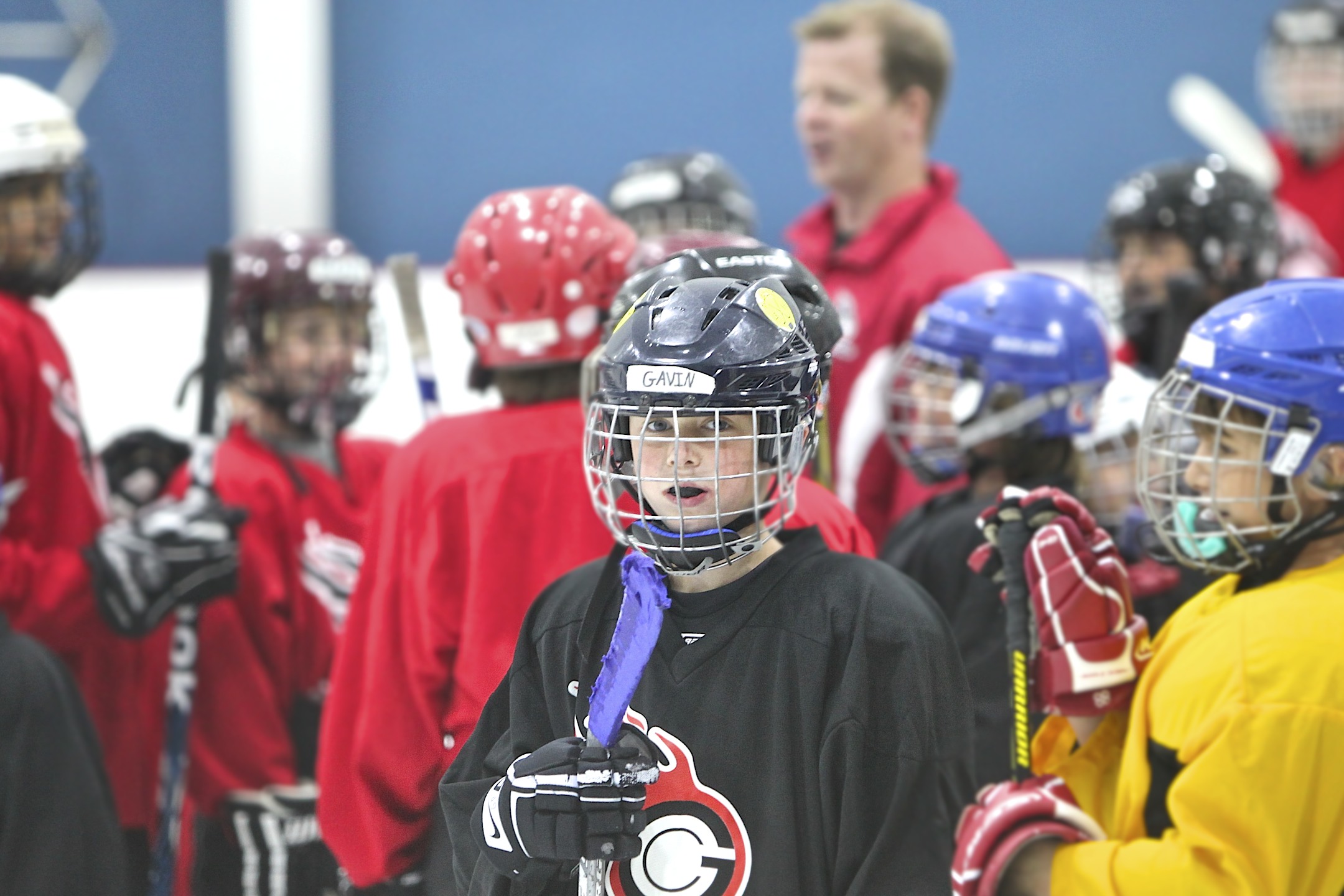
IMG_6806 - Version 2Training hockey players and helping in their development is very rewarding. We’d like to introduce some of the best players we met and had the privilege of working with this summer.
In a recent blog post we introduced you to five people you will meet at summer hockey school. As we enter our final month of hockey school we would like to introduce you to a few of our best players from our travels across the country this summer training hockey players and promoting skill development.

The Character Kid. Everyone knows character counts, and this summer we met plenty of exceptional players and parents who had great character on and off of the ice. When it comes to skill development and becoming a great hockey player, who you are as a person, how you carry yourself and treat teammates is all part of the ingredients for success.

The ‘Centered’ Center. Balance is important not only in skating and performance with stride and hockey skills, but balance is also important when it comes to hockey and a daily routine. Our staff met many hockey players this summer, and those who came to the rink with the most enthusiasm, excitement and willingness to learn were often those who had good balance in their life. Many were multiple sport athletes. Some were taking summer school. Others came from water skiing at the lake to the rink. Remain ‘centered’ with good balance when it comes to your hockey schedule and you will find success.

The Skinny Skillmaster. Most of the players we train at our hockey camps are between the ages of 8 and 16. What this means  for example, is that some Peewees weigh 70 pounds and others might weigh 150. One player thought he needed to really bulk up and gain weight, but what he really needed was patience for his body to grow into his frame. A good diet during this age of development is important. We saw many kids eating junk food, drinking highly caffeinated energy drinks and other foods and beverages that you would never find in a college or professional locker room. Food is fuel for your body, but not all food (and beverages) are good fuel.

We hope you had a great summer of hockey and improved your skills. Make sure to keep these hockey development tips in mind as you work your way through August and onto your team for the upcoming season!

13

July

blog_1

Summer is an awesome time of the year for so many reasons. We obviously love to run summer hockey schools and train young hockey players June – August, but we also enjoy taking advantage of the great weather and spending time with family and friends. One recent sunny afternoon we took a trip to the beach and as we were sitting in the sand enjoying the scenery and blue water, the conversation of course gravitated to hockey and before long, we were drawing up plays in the sand!

We left the beach that day with 5 good lessons about the beach, and hockey!

1. Come prepared. I used to have a coach that said ‘take care of your equipment, and your equipment will take care of you’. Believe it or not, how you tape your stick is important. Having the proper amount of time to stretch and get dressed is important. Arrive at the rink in time to get mentally prepared for the game, not at the last minute scrambling to find the locker room, only to discover that you forgot an elbow pad . . . sort of like the family at the beach who forgot sun screen and left looking like lobsters.

2. Hit the ice with authority. Watching people at the beach tiptoe into the water can be hilarious. Rather than just taking the plunge, so many people try to take it step by step until they think it’s warm enough to dive in. The same can be said at the rink, we love to train – and coach – the players who literally run onto the ice they are so excited to be at the rink. And when it comes to game time, a team running onto the ice and skating a hard lap can be very intimidating.

3. Energy. Everyone loves a day at the beach, and the people having the most fun are those who are playing volleyball, swimming and taking advantage of every opportunity. When it comes to hockey, use your energy to get noticed on the ice and to be quicker, faster and always one step ahead of the competition. High energy people at the beach have more fun, and high energy hockey players are more productive and score more goals!

4. Awareness. The beach can get crowded, the current can get swift and the water can get deep. You always need to know where you are at the beach and in the water. On the hockey rink, you also need great awareness to be effective. Being able to see the ice, anticipate the play and separate yourself from the crowd can add up to great defense and a lot of scoring.

5. Respect. This is one that we talk about at our hockey schools quite often. Just like at the beach where you need to have respect for others around by not throwing sand or playing your favorite song too loud, hockey is a game of respect. Hockey players respect their opponent, respect their coach and teammates and most of all, respect the game.

We enjoyed our day at the beach and are planning a few more trips in the coming weeks. We do still have spots still available in most of our camps taking place in 10 states this summer so we hope to see you soon, either at the beach, or at the rink!

Subscribe

With RSS feeds, you don't have to visit our site everyday to keep up to date. Simply subscribe to our blog via RSS or Email and our posts will come to you!